Understanding Trail Conditions: Seasonal Variations in National Parks
Today’s chosen theme: Understanding Trail Conditions: Seasonal Variations in National Parks. Discover how weather, wildlife, and terrain transform each month—and learn how to read the signs, travel responsibly, and make every season your favorite time to explore. Share your own seasonal wins and lessons learned in the comments, and subscribe for fresh, trail-savvy insights.
Seasonal Rhythms that Shape Every Trail
Winter hushes the crowds and amplifies small sounds—the squeak of powder, the clink of microspikes, the wind over a cornice. Trails can hide under wind-loaded drifts, bridges glaze with verglas, and avalanche paths come alive. Short daylight demands sharper timing. Comment with your favorite cold-weather traction and how you stay warm without sweating.
Official Park Condition Reports
National park websites and trailhead bulletins offer gold: recent blowdowns, icy sections, washed-out bridges, and wildlife advisories. Ranger notes and volunteer logs often describe tricky stream crossings or snowline changes by elevation. Read carefully, note dates, and call visitor centers for nuance. Comment with your favorite park info pages and how you interpret them.
Crowdsourced Insights with a Critical Eye
Apps and forums provide fresh photos and trip notes, but conditions age fast. Check timestamps, elevation ranges, and bias: sunny-day posts rarely discuss morning ice or evening mud. Cross-verify with multiple reports, and treat dramatic claims cautiously. Tell us how you filter trail chatter into reliable, season-smart decisions.
Layering and Traction for Changing Conditions
A breathable base, active insulation, and a windproof shell handle winter climbs and chilly spring ridgelines. Microspikes excel on packed ice; snowshoes float on unconsolidated drifts; poles stabilize on slush. Conditions can shift in minutes—carry options and know when to turn around. Which traction combo has saved your day most often?
Heat, Hydration, and Storm Timing
In midsummer, pre-hydrate, sip steadily, and supplement electrolytes. Wide-brim hats, UPF layers, and sun gloves fend off relentless glare. Build your day around storms: start before dawn, summit early, and descend as clouds tower. Comment with your lightning avoidance protocol and the signs that tell you it’s time to bail.
Short Days, Shoulder-Season Hazards, and Navigation
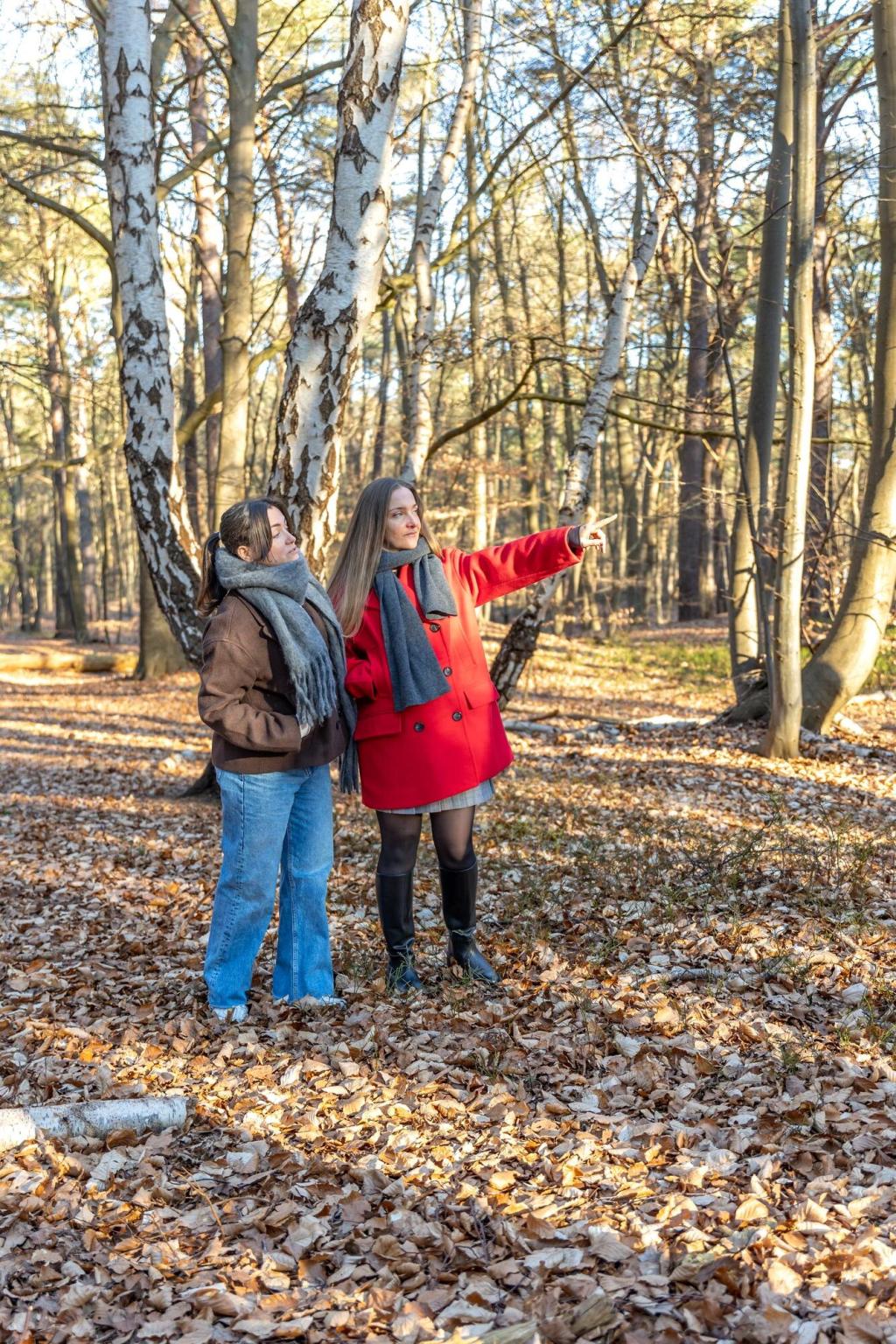
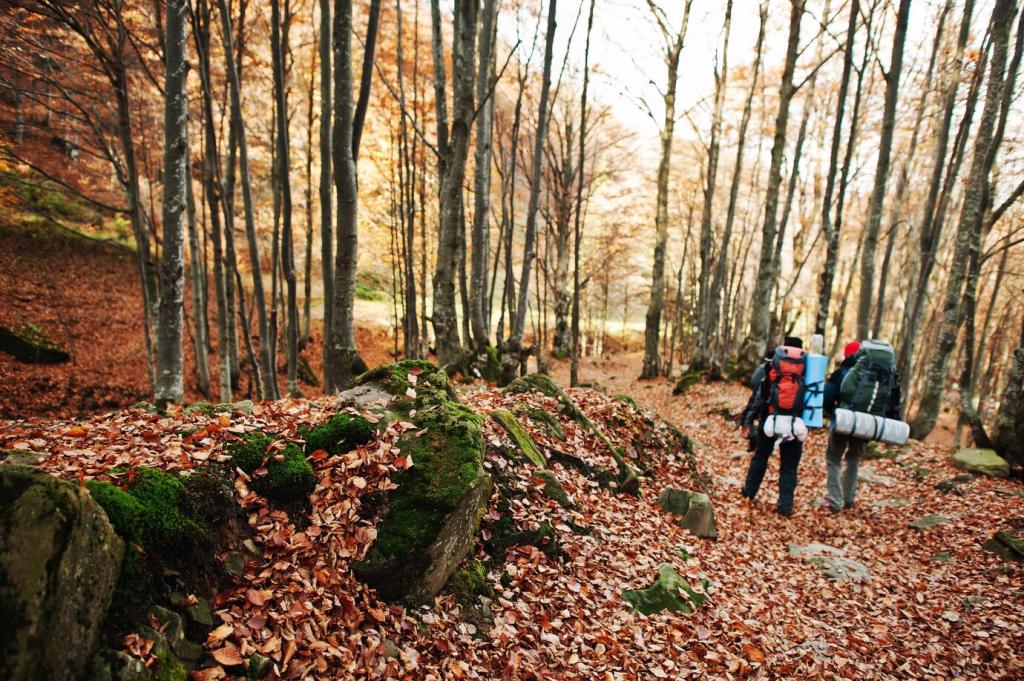
Autumn and early spring compress daylight and complicate route finding with leaf cover or patchy snow. Carry a headlamp, spare batteries, and a power bank. A paper map and compass shine when devices fail. Leave an itinerary with a friend. Share your navigation habits when blazes disappear under ice or foliage.
Trail Stewardship: Minimizing Seasonal Impact

Walk straight through puddles to avoid widening the trail. Choose routes with durable surfaces or better drainage when thaw is worst. Postpone fragile destinations, especially in meadows and wetlands. Clean boots to prevent spreading seeds. What’s your strategy for enjoying spring miles while keeping singletrack truly single?

Itinerary Playbook: Seasonally Smart Planning
Choosing Goals That Fit the Calendar
Desert canyons shine in cool winters, wildflowers peak in spring foothills, high passes open late summer, and low forests glow in autumn. Build backup options by elevation. Let the season dictate ambition and style. What’s your most reliable seasonal swap when Plan A no longer fits conditions?
Timing Around Melt–Freeze and Thunder Patterns
Overnight freezes firm spring snow—cross early and exit before it softens. In monsoon months, expect noon buildups and plan summits for mid-morning. Track radar, read cloud growth, and define turnaround times. Share the cues you use to call it early without feeling like you “lost” the day.
Access Windows, Roads, and Shuttles
Trailheads hinge on plowing schedules, gate openings, and seasonal shuttles. Parking dynamics shift with crowds and shoulder-season closures. Check road status pages the night before and at breakfast. What’s your access checklist, and how has it saved your plans when conditions pivoted overnight?
Stories from the Trail: Lessons in Every Season
We aimed for a mellow lake loop but sank to the knee in shaded gullies by mid-morning. A ranger’s morning note hinted at softening snow; we ignored snowshoes to “save weight.” Turning back felt wise, not weak. What spring reality check reshaped your packing list?