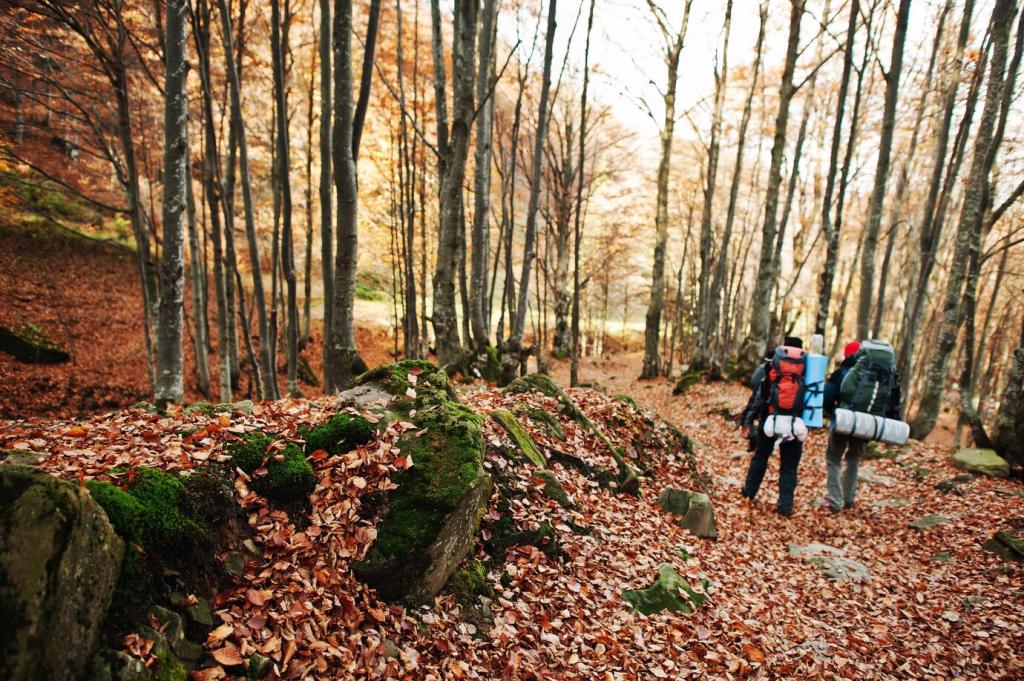
Wildlife and Weather: Seasonal Changes in National Parks
Theme selected: Wildlife and Weather: Seasonal Changes in National Parks. Follow the turning seasons as weather reshapes habitats, migrations, and behaviors—and discover how your timing, awareness, and curiosity can reveal unforgettable moments. Subscribe to seasonal updates and share your favorite park transitions.
Phenology 101: Nature’s Calendar
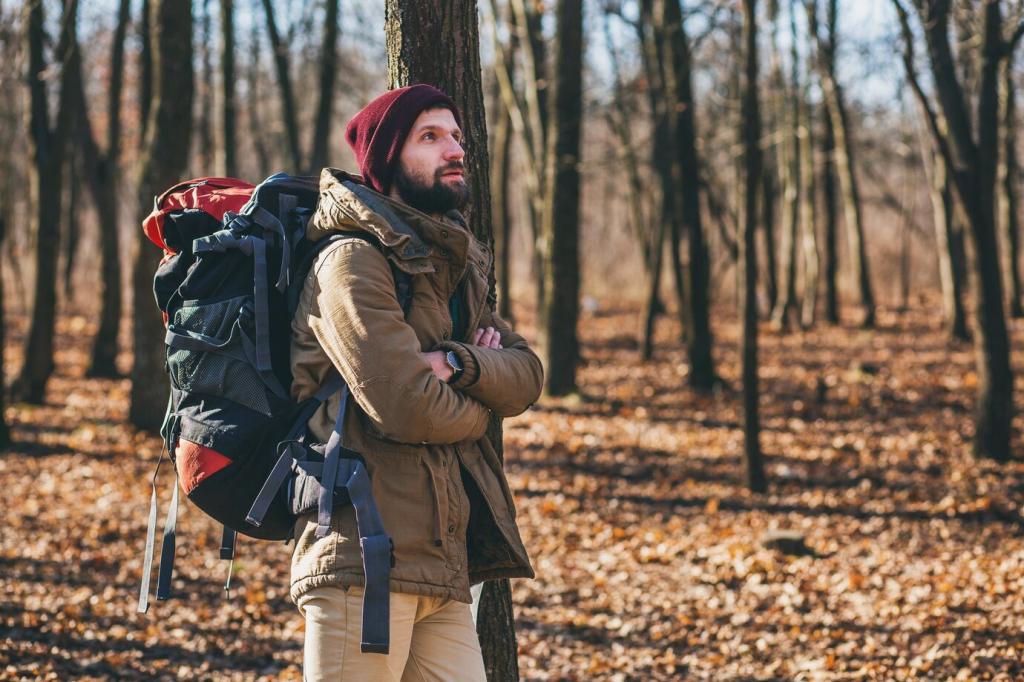
Phenology is the study of seasonal life cycles—when flowers bloom, birds arrive, insects hatch, and leaves turn. In national parks, these patterns hinge on temperature and moisture. Track them and you’ll predict wildlife encounters with surprising accuracy.
Storm Signals Animals Understand
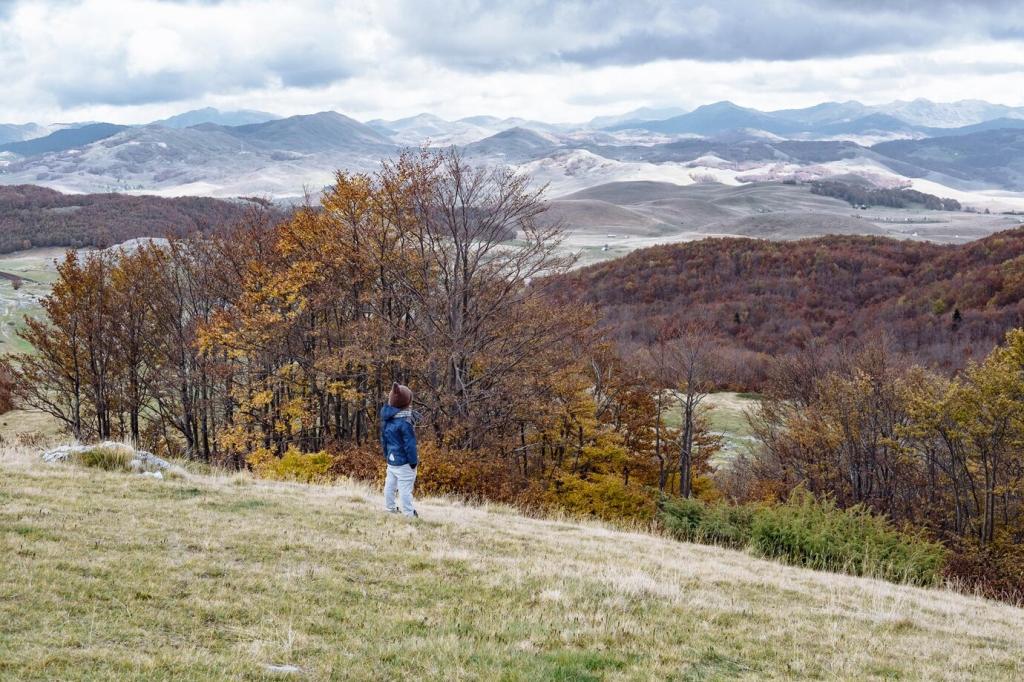
Before a front arrives, barometric pressure dips and winds shift. Elk feed longer, swallows skim low, and insects hug shelter. These subtle cues trigger behavior adjustments that help animals conserve energy and survive fast-changing weather conditions.
Spring Thaw: Migrations, Blooms, and New Beginnings
As ice retreats, chorus frogs call from vernal pools, while warblers funnel through cottonwoods. A ranger once told us the park year truly begins with that first frog note at dusk. Listen, record, and share your location and date.
Summer Heat and Monsoon: Bustling Life Under Big Skies
When valleys bake, wildlife ascends. Pikas chirp near talus, marmots bask between clouds, and flowers race across tundra before the next hail. Always bring layers—mountaintop weather flips fast. Comment with your favorite cool high-country refuge and why it shines.
Summer Heat and Monsoon: Bustling Life Under Big Skies
In the Southwest, monsoon pulses arrive most afternoons. Birds feed hard at sunrise, lizards bask early, and clouds tower by noon. One photographer learned to retreat by 11 a.m.—and doubled wildlife encounters. What’s your storm-smart schedule? Tell us below.
Summer Heat and Monsoon: Bustling Life Under Big Skies
Fire reshapes habitat, opening meadows and fueling future blooms. Animals shift routines to avoid smoke and heat. Respect closures, check air quality, and observe from safe distances. Subscribe for seasonal alerts that explain fire ecology without sensationalism, grounded in park science.
Autumn Spectacle: Ruts, Routes, and Golden Light
Elk Rut and Soundscapes
Bugles echo at dawn as bulls compete and harems hold. Wind carries calls differently on cold mornings, so position downwind to listen clearly. Respect distance; intensity increases quickly. Share a short audio clip and describe the weather when you recorded it.
Migration Corridors in Motion
Raptors ride thermals, salmon ascend rivers, and sandhill cranes stitch sky to valley. Sudden cold snaps accelerate departures. Check barometric trends to catch peak days. Post your corridor observations and help others plan ethical, low-impact vantage points along key routes.
Foraging Frenzy
Bears glean berries, squirrels cache cones, and mule deer browse energy-rich shrubs. Droughty falls push animals farther for food. Pack patience and keep distance. What fall foods have you observed most in drought years? Comment to compare across parks and elevations.
Hibernation and Torpor
From bears in dens to bats in torpor, winter is an energy math problem. Snowpack insulates dens while stable cold reduces stress. Document first tracks after storms and note temperatures; your observations help reveal timing shifts worth discussing here.
Predators on the Snow
Coyotes and foxes mouse by ear, plunging into subnivean worlds. Lynx float on powder with broad paws. After fresh snow, tracks narrate dramas you missed. Share a track photo and describe snowfall depth, wind, and what you think happened overnight.
Snow Safety for Observers
Avalanche forecasts, wind chill, and road closures dictate responsible winter viewing. Carry traction, layers, and hot drinks, and respect wildlife energy budgets. Subscribe for our winter-ready checklist and post your go-to protocols that keep you and animals safe.
Weather Windows: Planning Wildlife-Friendly Visits
Gear by Season
Spring mud needs waterproof boots; summer storms demand breathable layers; fall calls for windproof warmth; winter insists on traction and insulation. What single item saved a trip for you? Comment with brand-agnostic tips other readers can apply immediately.
Best Times to Listen
Dawn after a storm can be magic—calm air carries calls farther, revealing owls, elk, and songbirds. Night also opens worlds of sound. Share recordings, note wind speeds, and subscribe for monthly listening prompts aligned with regional weather patterns.
Share Your Calendar
Create a personal nature calendar highlighting bloom peaks, hatch days, and migration waves you’ve witnessed. Post a snapshot or summary, invite feedback, and compare regions. Together, we’ll crowdsource a living, weather-aware wildlife almanac for mindful, low-impact adventures.